
Learn Morse Code in 7 Days: A Complete Beginner's Guide
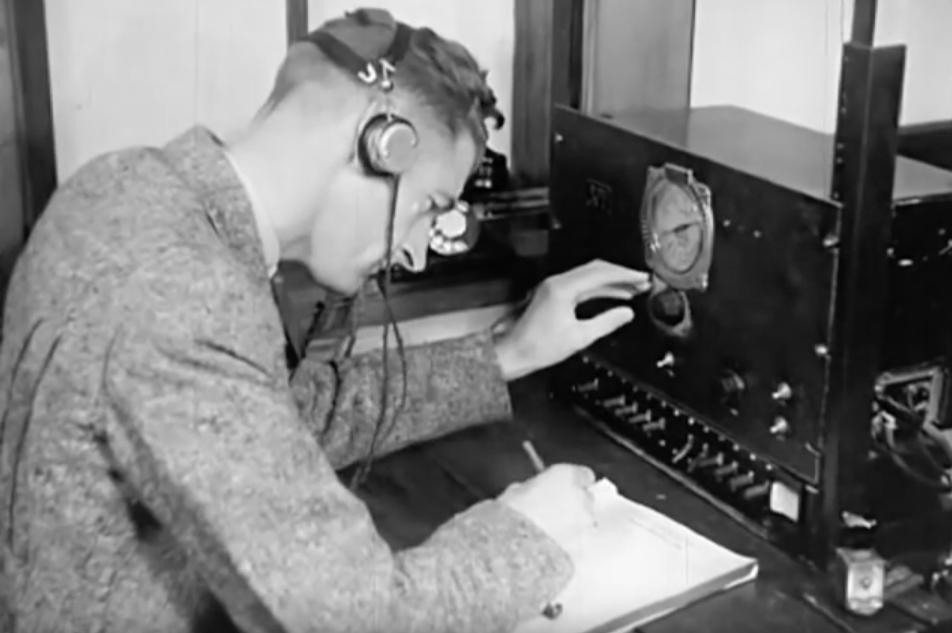
Think learning Morse code takes months of tedious practice? Think again. With the right approach and just 15-20 minutes of daily practice, you can master the basics of Morse code in one week. Whether you're preparing for your amateur radio license, adding a unique skill to your resume, or simply fascinated by this historic communication system, this structured 7-day guide will take you from complete beginner to confidently encoding and decoding Morse messages.
Why the 7-Day Timeline Works
The secret to rapid Morse code acquisition isn't brute force memorization—it's using scientifically-proven learning methods that train your brain to recognize sound patterns rather than counting dots and dashes. Modern learning techniques like the Koch Method and Farnsworth Method have helped thousands of students achieve proficiency far faster than traditional approaches.[1]
Research shows that consistent daily practice, even in short bursts, creates stronger neural pathways than sporadic longer sessions.[2] By dedicating just 15-20 minutes each day for seven days, you'll leverage your brain's natural pattern recognition abilities while avoiding cognitive overload.
Day 1-2: Master the Foundation Characters
Start with just two letters: E (·) and T (-). This might seem overly simple, but it's intentional. The Koch Method, developed by German psychologist Ludwig Koch in the 1930s, dictates learning characters at full speed from day one.[3]
Day 1 Practice Plan:
• Listen to E and T at 20 words per minute (WPM) for 5 minutes • Practice identifying which letter you hear • Write down what you hear without looking at the answers • Aim for 90% accuracy before moving forward • Use the MorseBuddy audio player to hear authentic timing
Day 2: Add A (·-) and N (-·)
Once you can reliably distinguish E and T, introduce two more characters. Practice all four together. The key is learning by sound—don't count the dots and dashes. Instead, recognize the rhythm: "di-dah" for A, "dah-dit" for N.
Pro tip: Use the Farnsworth timing technique, which plays characters at full speed but adds extra spacing between them. This gives your brain time to process without developing the habit of counting individual elements.[4]
Day 3-4: Expand Your Character Set
Day 3: Add I (··), M (--), S (···), O (---)
By now, you're working with 8 characters. Notice how the most common letters in English (E, T, A, I, N, S) have simpler codes? This isn't coincidence—Morse code was designed with frequency analysis in mind, making common letters faster to transmit.
Practice Session Structure (20 minutes):
- Warm-up: Review previous characters (5 min)
- New character introduction (5 min)
- Mixed practice with all learned characters (8 min)
- Cool-down: Self-test with random sequences (2 min)
Day 4: Add R (·-·), U (··-), D (-··)
You're now at 11 characters—enough to form simple words! Try decoding: "STIR," "NOTES," "DUST." This is where learning becomes exciting as abstract patterns transform into meaningful communication.
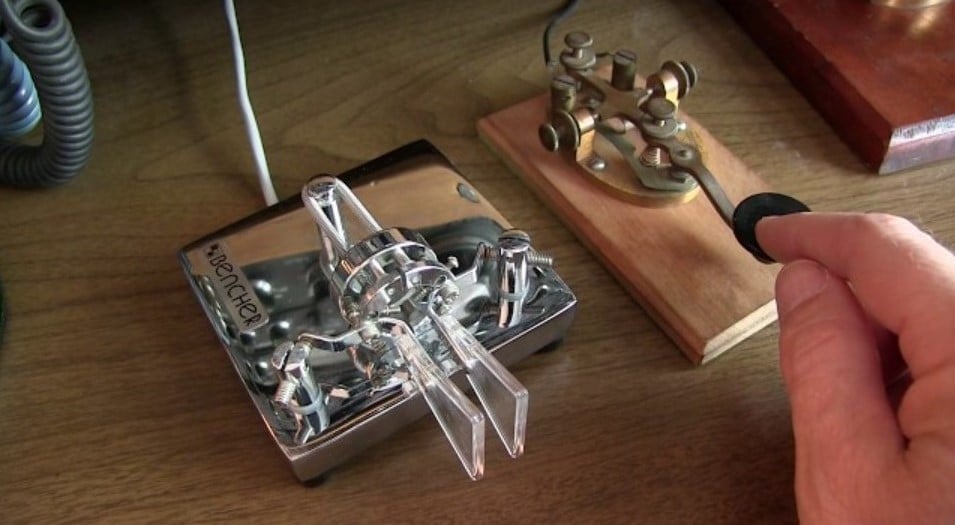
Day 5: Complete the Alphabet
Add the remaining 15 letters. This might seem like a big jump, but you've trained your brain's pattern recognition system. Less common letters like Q (--·-) and X (-··-) will take a few extra repetitions, but they appear infrequently in actual text.
Focus on character groups that share patterns:
• Single elements: E (·) and T (-) • Mirror patterns: N (-·) and A (·-) • Three of same: S (···) and O (---)
Use mnemonic devices if helpful, but prioritize sound recognition. Your goal is "head copy"—hearing "di-dah-dit" and immediately thinking "R" without conscious decoding.
Day 6: Add Numbers and Practice Words
Numbers in Morse code follow a logical pattern:
• 1 = ·---- (one dot, four dashes) • 2 = ··--- (two dots, three dashes) • 5 = ····· (five dots) • 9 = ----· (four dashes, one dot) • 0 = ----- (five dashes)
Spend Day 6 practicing common words and simple sentences. Use real text—news headlines, favorite quotes, or messages to friends. This contextual practice helps your brain predict patterns, significantly boosting comprehension speed.
Practice Materials:
• Common words: THE, AND, FOR, ARE, BUT, NOT • Simple sentences: "MEET ME AT NOON" • Your name and location • Emergency signals: SOS (··· --- ···)
Day 7: Speed Building and Real-World Practice
Your final day focuses on increasing speed and applying skills practically. If you've been practicing at 15 WPM with Farnsworth spacing, try reducing the spacing gradually. Many beginners can reach 8-12 WPM by day seven.
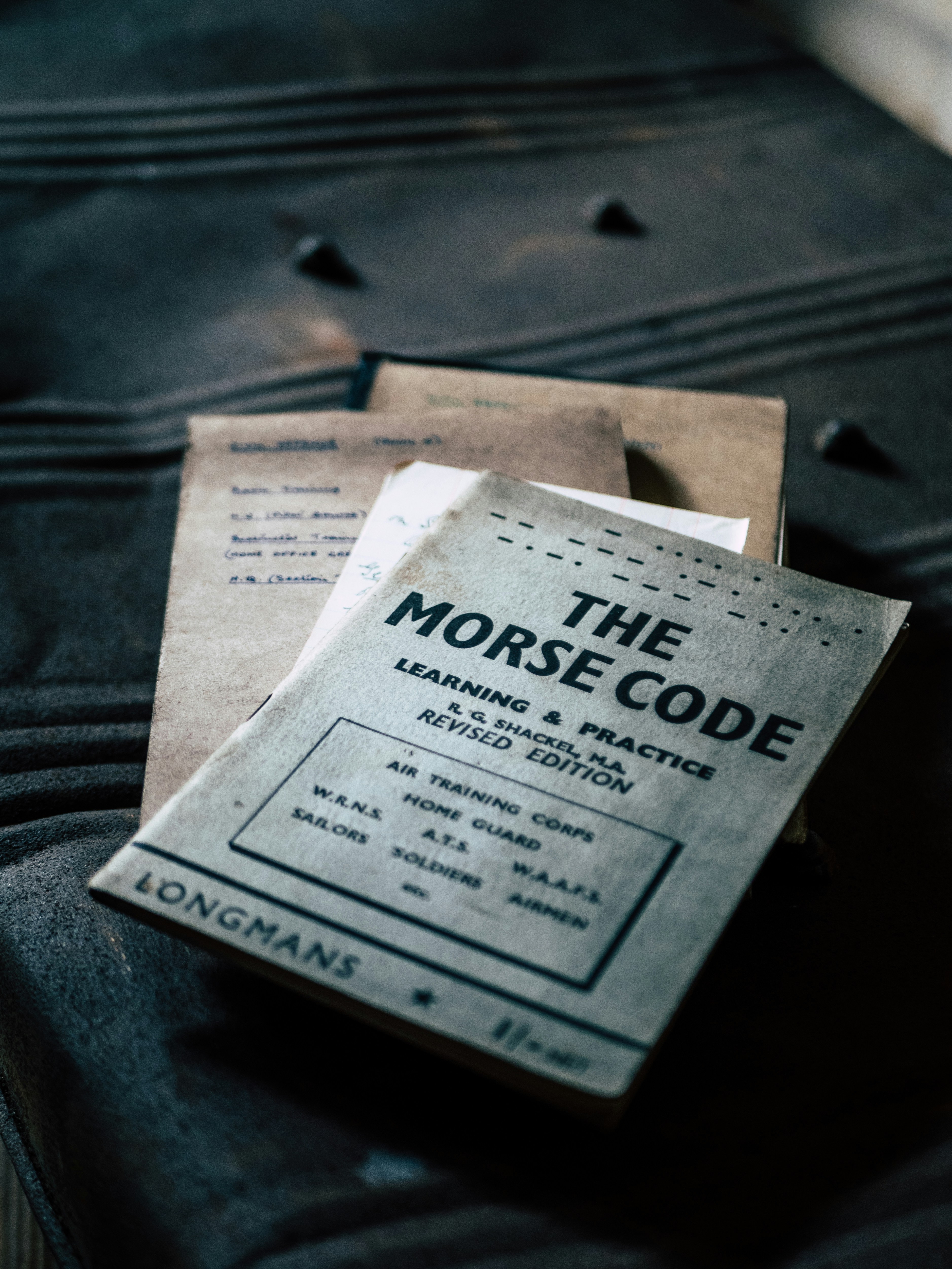
Final Day Activities:
- Speed drills: Push slightly beyond your comfort zone
- Decode real amateur radio QSOs (conversations)
- Practice sending with online simulators
- Take a proficiency test
- Join an online Morse code community
Essential Tools for Success
You don't need expensive equipment to learn Morse code:
• Free online trainers: MorseBuddy.com offers instant translation with audio playback • Mobile apps: Many use Koch or Farnsworth methods • YouTube channels: Watch experienced operators • Practice buddies: Find learning partners online • Flashcards: Create your own or use digital versions
Common Pitfalls to Avoid
- Counting dots and dashes: This becomes a crutch. Learn by sound patterns instead.
- Inconsistent practice: Seven days of 15 minutes beats one day of two hours.
- Starting too slow: Characters should be at least 15-20 WPM to prevent counting.
- Skipping audio practice: Visual learning alone won't prepare you for real communications.
- Perfectionism: 90% accuracy is the progression threshold—don't get stuck seeking 100%.
Beyond the Basics
After your intensive week, you'll have the foundation to:
• Pass amateur radio Morse code sections • Decode navigation beacon identifiers (useful for pilots) • Participate in emergency communications • Continue building speed toward 20+ WPM • Join the global community of CW (Continuous Wave) enthusiasts
Many students find that after the initial seven days, continued casual practice naturally integrates into their routine. Copying out grocery lists, sending texts in Morse to friends, or joining online practice nets keeps skills sharp while being enjoyable.
Conclusion
Learning Morse code in seven days is absolutely achievable with structured practice and proven methods. The Koch and Farnsworth techniques have transformed how students learn this skill, reducing the timeline from months to days. Remember: consistency beats intensity, sound recognition trumps visual memorization, and the goal is practical communication, not perfection.
Your journey from complete beginner to confident Morse code user starts with just 15 minutes today. Whether you're drawn by the practical applications, historical significance, or simply the satisfaction of mastering a unique skill, the dots and dashes await. Start your Day 1 practice right now using our free translator tool, and seven days from now, you'll be amazed at how far you've come.
Ready to begin? Visit MorseBuddy.com to start practicing with real-time audio feedback and join thousands of learners successfully mastering Morse code.
References
[1] Koch, L. (1936). "A Psychological Approach to Morse Code Instruction." Journal of Applied Psychology. Learn more about the Koch Method at https://morsecode.ninja/advice/
[2] Bjork, R. A., & Bjork, E. L. (2014). "Optimizing Learning in the Classroom: Making Learning Durable and Flexible." Psychology of Learning and Motivation, 61, 109-139.
[3] Stenersen, S. (2006). "Just Learn Morse Code: Koch's Method Implementation." LB3KB Software Documentation. Available at https://stendec.io/morse/koch.html
[4] Farnsworth, D. R. (1960). "Farnsworth Spacing Method for Morse Code Training." Radio Amateur's Handbook. Practical implementation guide at https://www.omnicalculator.com/how-to-learn-morse-code
Additional Resources:
• WikiHow. (2024). "How to Learn Morse Code: 12 Steps with Pictures." Available at https://www.wikihow.com/Learn-Morse-Code
• Hackaday. (2020). "Learning Morse Code The Ludwig Koch Way." Available at https://hackaday.com/2020/02/21/learning-morse-code-the-ludwig-koch-way/
• MorseBuddy.com. (2026). "Free Online Morse Code Translator with Audio Playback." Available at https://morsebuddy.com/