
The Complete History of Morse Code: From Samuel Morse to Modern Applications
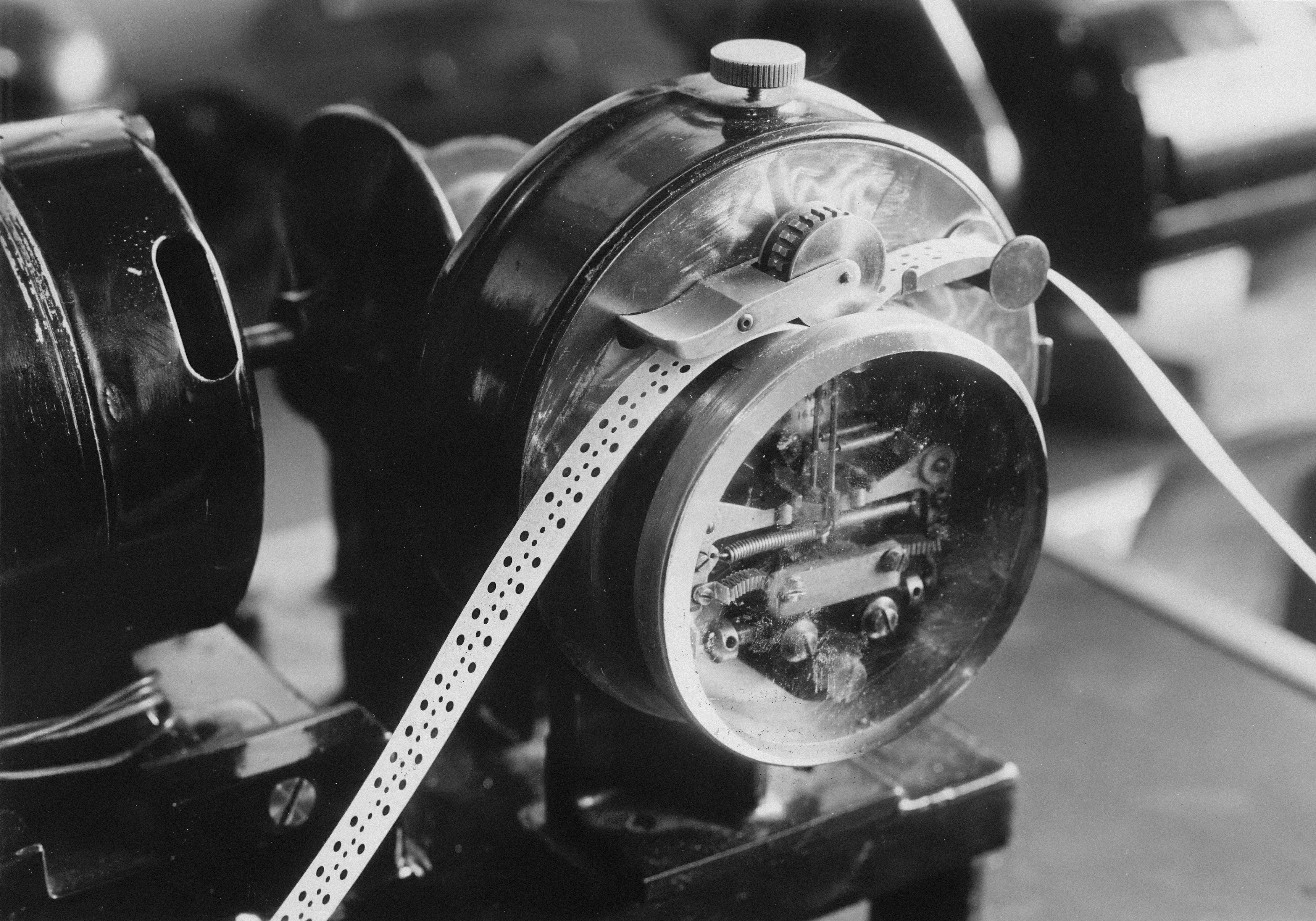
The distinctive pattern of dots and dashes known as Morse code represents one of humanity's most enduring communication innovations. Spanning nearly two centuries, this elegant encoding system has evolved from a revolutionary telegraph technology to a versatile tool that continues to find relevance in our digital age.
The Birth of an Idea
The story of Morse code begins not with Samuel Morse alone, but with a convergence of necessity and innovation in the early 19th century. Samuel Finley Breese Morse, an accomplished painter and inventor, became interested in electromagnetic communication after a personal tragedy. In 1825, while working on a commission in Washington D.C., Morse received a letter informing him of his wife's illness. By the time he rushed home to New Haven, Connecticut, she had already been buried. This devastating experience sparked his obsession with developing faster long-distance communication.
Morse wasn't working in isolation. His key collaborator, Alfred Vail, played a crucial role in refining both the telegraph apparatus and the coding system. Together with Leonard Gale, a professor of chemistry, they developed the electromagnetic telegraph between 1836 and 1844. The coding system they created assigned sequences of short and long electrical pulses—dots and dashes—to letters and numbers based on frequency of use in English.
The Revolutionary First Message
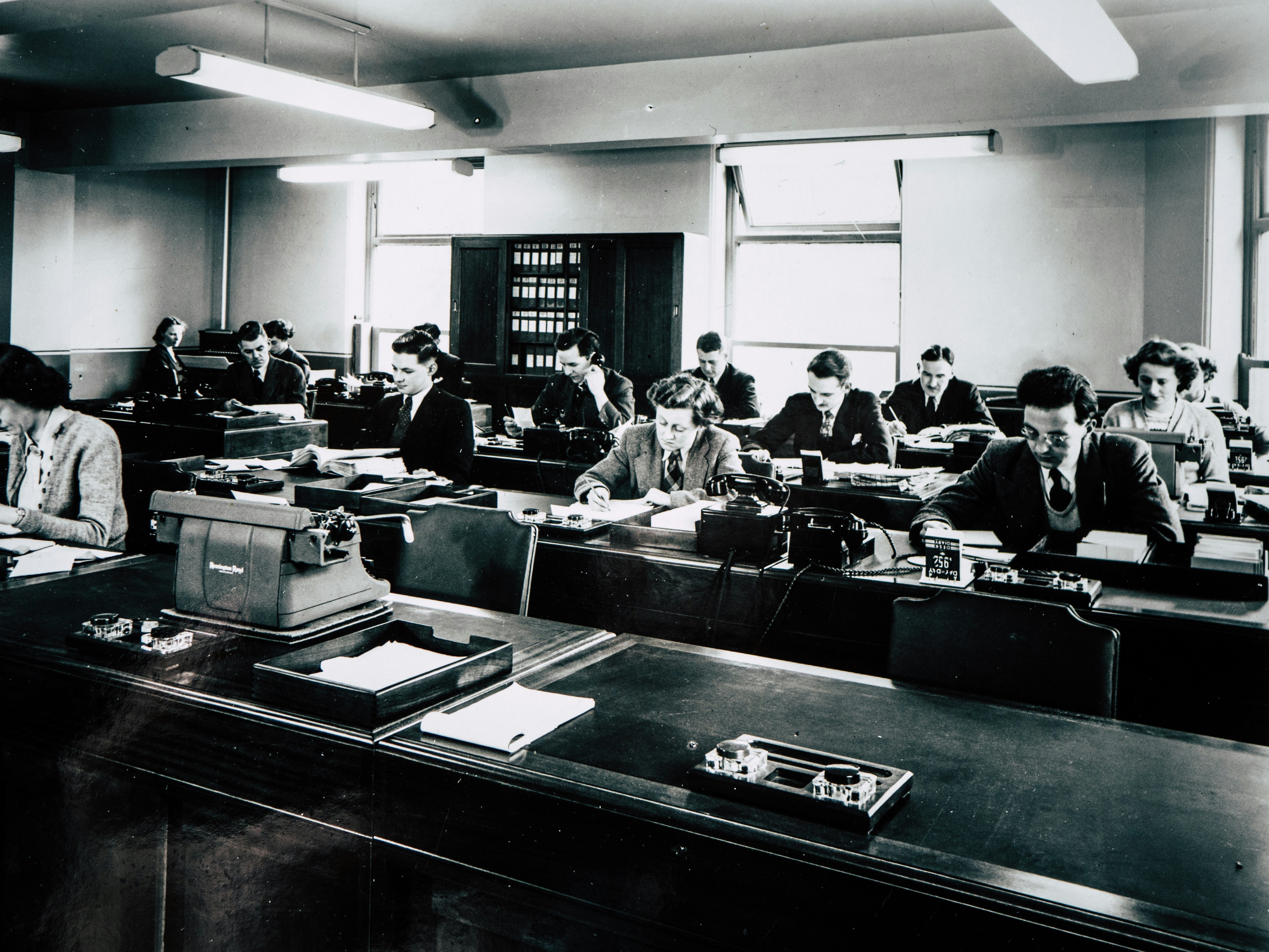
On May 24, 1844, Morse sent the famous first telegraph message from the Supreme Court chamber in the U.S. Capitol to Baltimore, Maryland. The biblical phrase selected for this historic transmission was deliberate and symbolic, marking the beginning of the telecommunications era. This demonstration proved that information could travel faster than any physical messenger, fundamentally transforming human communication.
The telegraph lines spread rapidly across America and then globally. By 1861, the transcontinental telegraph connected the East and West coasts of the United States, rendering the Pony Express obsolete almost overnight. Undersea cables soon linked continents, creating the first truly global communication network.
International Adoption and Standardization
As Morse code spread internationally, variations emerged. European operators developed what became known as International Morse Code, differing slightly from the original American version. The International Telecommunication Union standardized this version in the early 20th century, making it the global standard for maritime and aeronautical communications.
The code's brilliance lay in its efficiency. Frequently used letters like E and T received the shortest codes—a single dot and dash respectively—while less common letters received longer sequences. This design minimized transmission time and operator fatigue during extended communications.
Morse Code in Warfare
Morse code proved invaluable during military conflicts. In the American Civil War, both Union and Confederate forces relied heavily on telegraph communications for coordinating troop movements and reporting battlefield conditions. World War I saw extensive use of Morse code for secure military communications, with both sides employing the technology for strategic advantage.
During World War II, Morse code reached its zenith of military importance. Radio operators transmitted countless vital messages using the code, and many intelligence operations depended on intercepting and decoding enemy Morse transmissions. The Resistance movements across occupied Europe used Morse code for clandestine communications, helping coordinate efforts against Axis forces.
Maritime and Aviation Applications
The maritime industry embraced Morse code with particular enthusiasm. Ships at sea used it for ship-to-ship and ship-to-shore communications well into the late 20th century. The international distress signal SOS, represented as three dots, three dashes, three dots, became universally recognized. Countless lives were saved through Morse code distress calls, most famously during the Titanic disaster in 1912.
Aviation similarly relied on Morse code for navigation and communication. Radio beacons transmitted identifying signals in Morse code, helping pilots navigate before modern GPS systems. Air traffic controllers and pilots used the code to communicate when voice transmissions were impractical or impossible.
The Digital Age Transition
The late 20th century brought significant changes. As voice radio, satellite communications, and digital technologies emerged, Morse code's commercial use declined. In 1999, the international maritime community officially discontinued the Morse code distress call requirement, replacing it with the Global Maritime Distress Safety System. The U.S. Coast Guard sent its final Morse code transmission in 2006.
Amateur radio operators, however, kept the tradition alive. Many radio enthusiasts continued using Morse code, appreciating its efficiency and the skill involved in mastering it. Some amateur radio licenses still required Morse code proficiency until requirements were relaxed in various countries during the 2000s.
Modern Applications and Revival
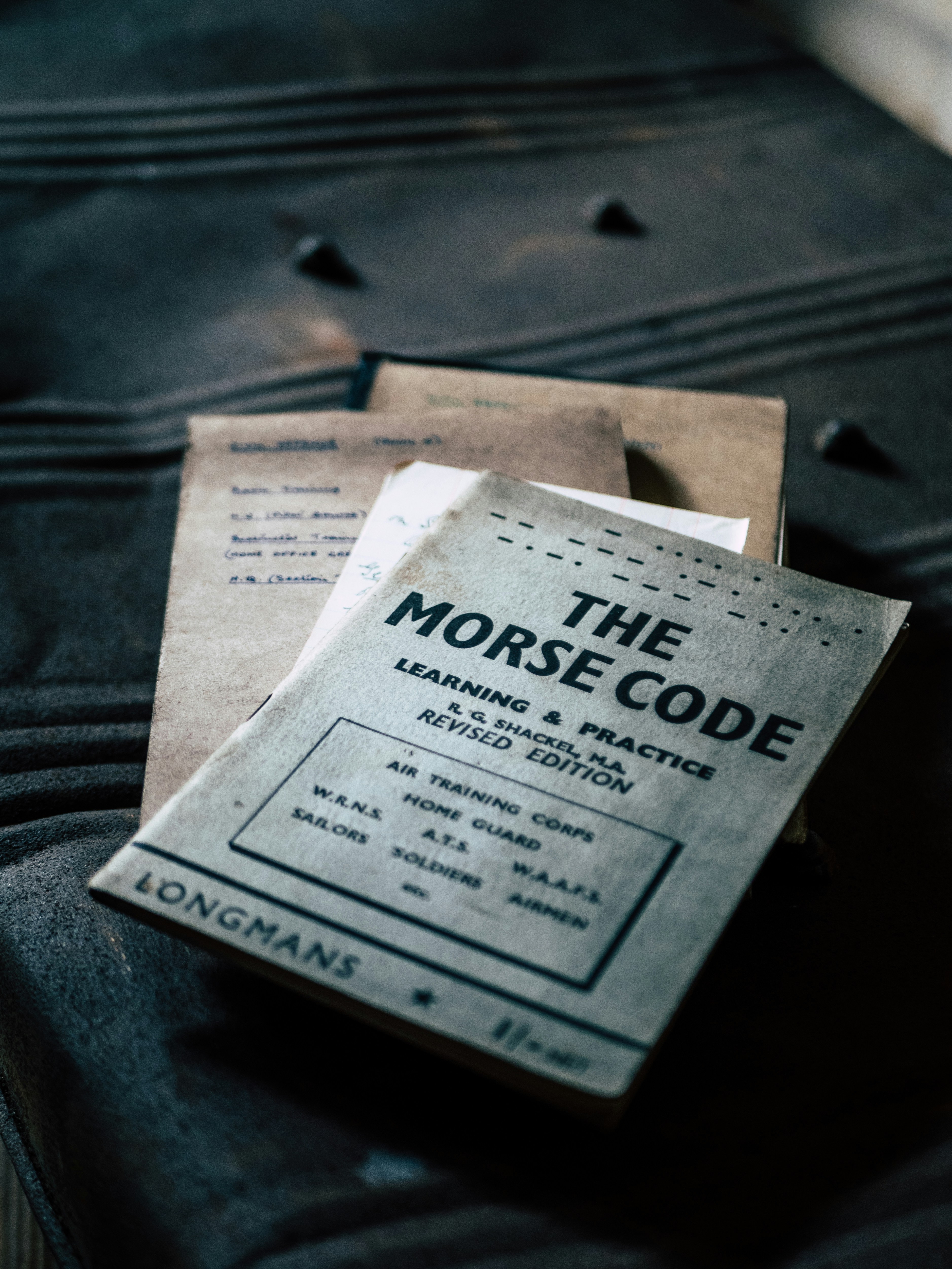
Despite predictions of obsolescence, Morse code has found unexpected relevance in the 21st century. Military special operations forces still learn Morse code as a backup communication method that requires minimal equipment and can function when modern systems fail. The code's simplicity makes it valuable in extreme conditions where sophisticated technology becomes unreliable.
Assistive technology has discovered new applications for Morse code. People with severe disabilities can use Morse code input systems to communicate and control devices. The code's binary nature—dot or dash, on or off—makes it ideal for individuals with limited motor control who can produce just two distinct signals.
Morse code has also entered popular culture and education. Smartphone apps teach the code to new generations, and escape room puzzles often incorporate Morse code challenges. Musicians have incorporated Morse patterns into compositions, and designers use the aesthetic of dots and dashes in visual art.
The technology sector has found innovative uses as well. Some engineers have used Morse code principles in developing efficient communication protocols for low-bandwidth environments. In emergency situations where text messaging is impossible, some have transmitted Morse code through flashlight blinks or sound patterns.
Legacy and Lessons
The history of Morse code teaches valuable lessons about technological innovation and persistence. It demonstrates how a simple, elegant solution can outlast far more complex systems. The code's remarkable longevity—spanning from the mid-1800s to today—shows that good design transcends technological generations.
Moreover, Morse code represents the foundational principle of digital communication: encoding information into binary signals. This concept underpins all modern digital technology, from computers to smartphones. Every text message, email, and video stream ultimately relies on binary encoding, making Morse code a distant ancestor of contemporary telecommunications.
Conclusion
From Samuel Morse's personal tragedy to modern assistive technology, Morse code has proven remarkably resilient and adaptable. While no longer dominating global communications, it continues to serve specialized purposes and inspire new applications. The code stands as a testament to human ingenuity—a reminder that sometimes the most enduring innovations are those built on simple, universal principles. As technology continues advancing at breakneck speed, Morse code's nearly two-century journey offers perspective on what makes communication tools truly timeless: accessibility, efficiency, and fundamental utility. Whether transmitted by telegraph key, radio signal, or smartphone app, those distinctive dots and dashes continue their quiet persistence through the noise of the modern world.