
Morse Code in Maritime Navigation: Do Modern Ships Still Use It?
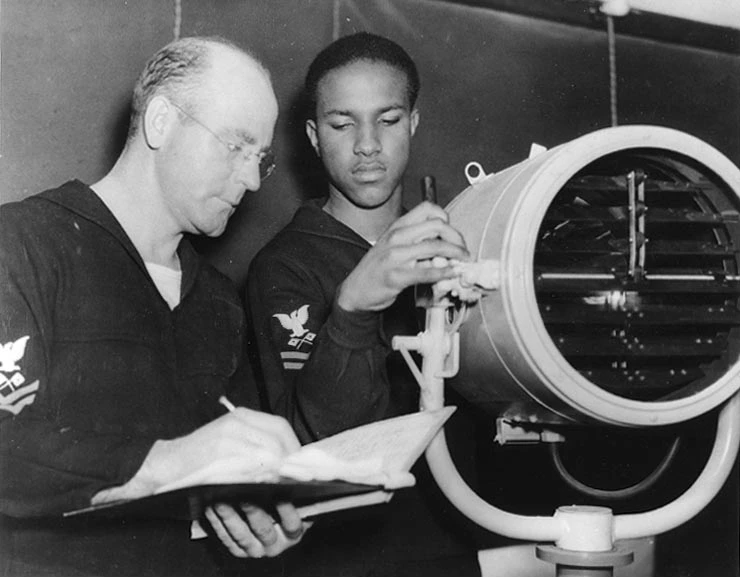
If you've ever wondered whether modern ships still tap out messages in dots and dashes across the open ocean, you're not alone. Morse code conjures images of vintage telegraph operators and dramatic Titanic rescue scenes. But in an era dominated by satellite communications and GPS, does this 180-year-old technology still have a place on the bridge of a modern vessel?
The answer might surprise you. While commercial shipping has largely moved on, Morse code remains a vital—and legally required—component of maritime safety. Let's explore how this resilient communication method continues to serve mariners in 2026.
The Digital Revolution: GMDSS Takes Over
In 1999, the maritime world underwent a seismic shift with the full implementation of the Global Maritime Distress and Safety System (GMDSS). This comprehensive safety protocol, mandated by the International Maritime Organization (IMO) under the SOLAS Convention (Safety of Life at Sea), replaced Morse code as the primary method for distress communication.[1]
GMDSS utilizes a sophisticated network of satellite and terrestrial radio systems, including:
• Digital Selective Calling (DSC) for automated distress alerts • Emergency Position-Indicating Radio Beacons (EPIRBs) • NAVTEX for maritime safety information broadcasts • Satellite communications via INMARSAT • VHF, MF, and HF radio systems
This digital transformation meant that commercial merchant vessels no longer required radio operators trained in Morse code. The last SOS distress call in Morse code was officially discontinued as an international standard in 1999, marking the end of an era.[2]
Want to understand the fundamentals of Morse code? Check out our 7-day beginner's guide to master the basics and learn how this historic communication system works.
But Morse Code Didn't Disappear
Here's where it gets interesting: while GMDSS eliminated Morse code from radio communications, it couldn't replace its visual signaling applications. According to current SOLAS regulations, every commercial vessel must still carry equipment capable of visual Morse code signaling.[3]
Why? Because electronic systems can fail. Radios can be damaged, satellites can be out of range, and in certain tactical situations, radio silence is essential. When all else fails, a simple signal lamp flashing Morse code can communicate ship-to-ship without requiring any electronic infrastructure beyond a light source.
Modern Applications: Where Morse Lives On
Naval Operations
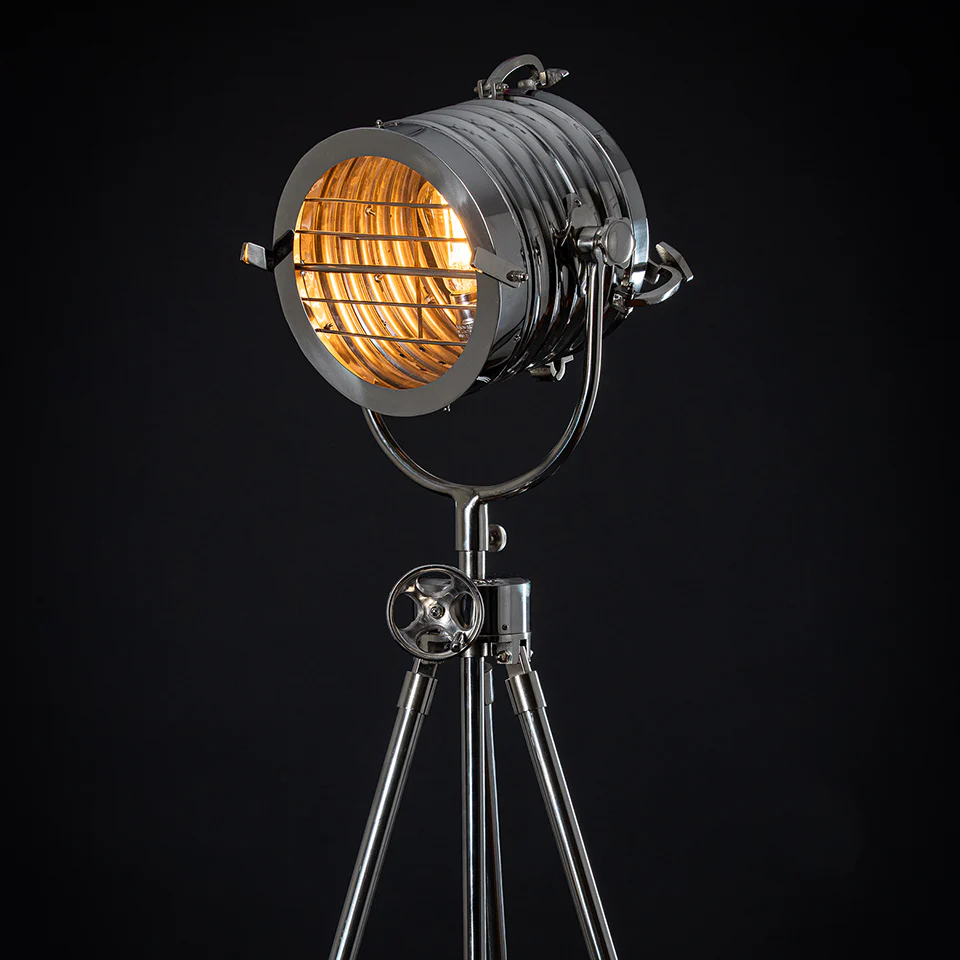
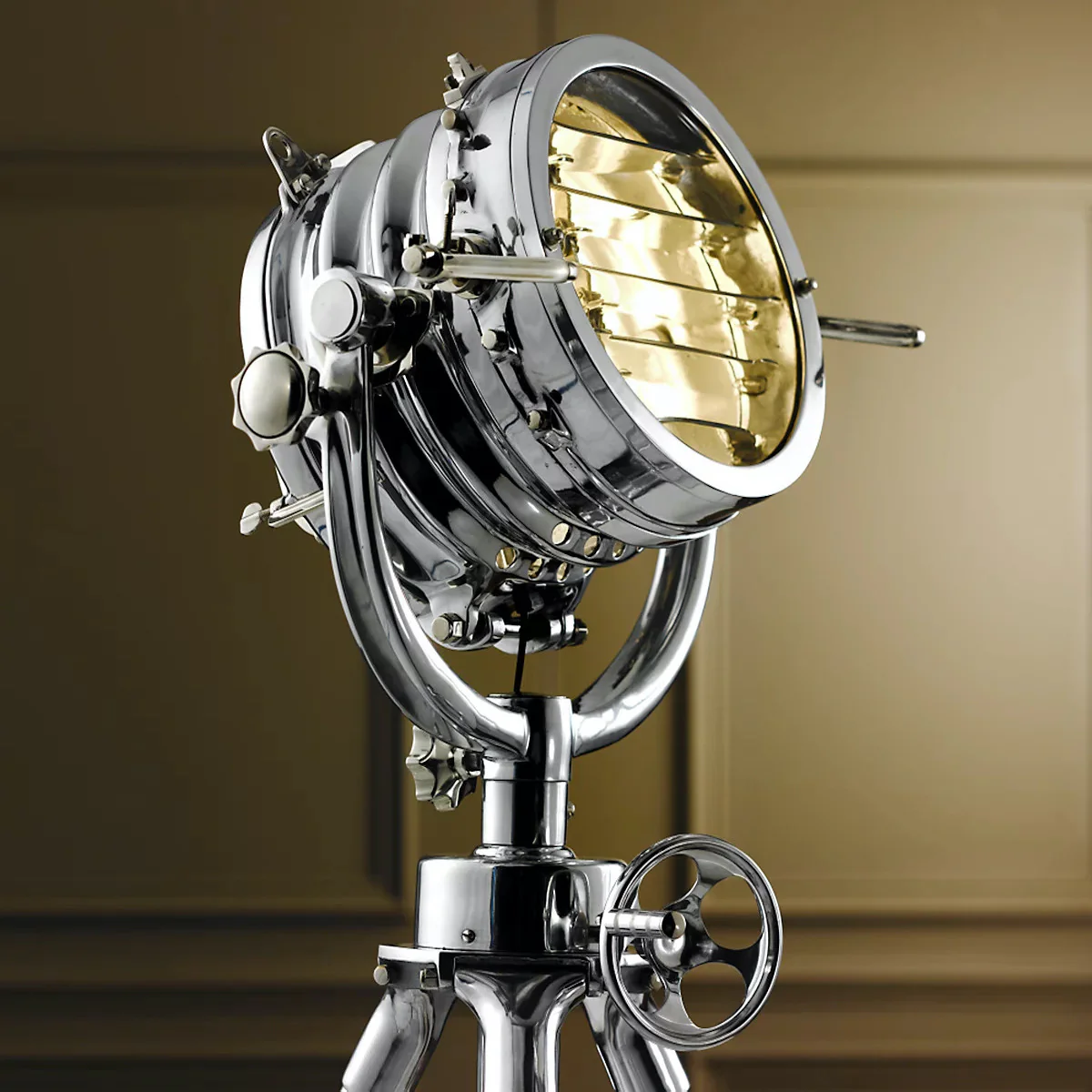
Navies worldwide actively maintain Morse code proficiency, particularly for visual signaling with flashing lights (Aldis lamps). The U.S. Navy, for example, still trains personnel in Morse code signaling, though modern systems now use computers to encode and decode messages.[4]
In mid-2025, European navies unveiled a new secure LED-based signaling system described as a "modern evolution of Morse code." This advanced system maintains the simplicity and reliability of traditional Morse while adding encrypted communications capability—proving that even 180 years later, the fundamental concept remains sound.[5]
The military advantages are clear:
• Silent communication (no radio emissions to detect) • Jam-proof (cannot be electronically intercepted or blocked) • Low-tech redundancy (works when everything else fails) • Maintains operational security during radio silence
Curious about the fascinating history behind Morse code and how it evolved from Samuel Morse's personal tragedy? Read our comprehensive article on the complete history of Morse code to understand the full story.
Emergency Backup Communications
Even on commercial vessels equipped with state-of-the-art GMDSS, visual Morse signaling serves as a critical backup. During electrical failures, when batteries die, or in situations where radio communications are compromised, a signal lamp powered by a simple battery can still send distress calls or coordinate with nearby vessels.
The universal distress signal "SOS" (· · · — — — · · ·) remains recognizable worldwide, transmitted via light signals when radio distress calls aren't possible.
Coastal and Port Operations
In congested ports or during approaches to harbor, visual Morse signals provide a silent, interference-free communication method. This is particularly valuable during nighttime docking operations when radio channels may be crowded with traffic.
Training and Certification
Many maritime academies continue to teach Morse code basics as part of their curriculum, not necessarily for daily use, but as essential knowledge for emergency situations. Understanding the principles ensures that future mariners can recognize and respond to Morse signals when encountered.
Discover the fascinating mathematics behind Morse code's efficiency in our detailed technical analysis of the mathematics behind Morse code and learn why this system remains so effective.
The Technology Evolution
While the basic concept of Morse code remains unchanged, the technology has modernized significantly:
LED Signal Lamps: Modern signal lamps use high-intensity LEDs instead of traditional incandescent bulbs, providing greater range and reliability while consuming less power.
Computer-Aided Encoding/Decoding: Naval vessels now employ systems that automatically translate text messages into Morse light signals and decode incoming flashes back into readable text—eliminating the need for manual telegraph key operation.
Secure Optical Communications: The latest maritime Morse systems incorporate encryption, creating secure light-based communication channels that are virtually impossible to intercept electronically.
Legal Requirements and International Standards
The International Maritime Organization and SOLAS Convention maintain specific requirements for visual signaling equipment:
• All vessels over 150 gross tonnage must carry a signaling lamp capable of Morse code transmission • The lamp must be visible for at least 2 nautical miles • Backup power sources must be available for emergency use • Officers must understand basic Morse distress signals[6]
These regulations ensure that even in our digital age, the time-tested reliability of visual Morse signaling remains available when needed most.
Interested in exploring modern applications of Morse code beyond maritime use? Check out our article on 10 practical modern uses for Morse code to see how this technology continues to find relevance in unexpected places.
The Enduring Value of Simplicity
What makes Morse code so resilient? Its elegant simplicity. Unlike complex digital systems that require satellites, infrastructure, and electrical power, Morse code needs only:
• A light source (or sound source) • A human operator with basic knowledge • Line of sight between sender and receiver
This minimalism makes it virtually indestructible as a communication method. You can't hack Morse code transmitted by flashlight. You can't jam a signal lamp. And when a ship loses all electrical power, a hand-held signal lamp with a fresh battery can still call for help.
Want to learn how to send Morse code with a flashlight yourself? Our comprehensive guide on sending Morse code with a flashlight covers everything from basic SOS patterns to advanced signaling techniques.
Conclusion: Old Tech, Still Relevant
So, do modern ships still use Morse code? The answer is nuanced. Commercial merchant vessels don't use it for routine communications—GMDSS handles those tasks far more efficiently. But Morse code persists as a legally required emergency backup, a military communications tool, and a testament to engineering elegance.
The maritime industry recognizes a fundamental truth: in the unpredictable environment of the open ocean, redundancy saves lives. That's why even the most technologically advanced warship still carries signal lamps capable of flashing out those simple dots and dashes. When satellites fail, when radios die, when all the modern technology proves fallible, Morse code endures.
Next time you see a ship's signal lamp or watch a naval vessel practice visual communications, remember: you're witnessing a technology that has survived nearly two centuries not because of tradition, but because it works.
Interested in learning Morse code yourself? Try our free online Morse code translator to start practicing today and discover why this timeless communication method continues to serve mariners worldwide.
References
[1] International Maritime Organization. "Global Maritime Distress and Safety System (GMDSS)." IMO SOLAS Convention. https://www.imo.org/en/OurWork/Safety/Pages/GMDSS.aspx
[2] International Telecommunication Union. "End of Morse Code Distress Signals, 1999." ITU Radio Regulations. https://www.itu.int/en/history/Pages/RadioHistory.aspx
[3] International Maritime Organization. "SOLAS Chapter IV: Radio Communications - Regulation 14." 2024 Edition. https://www.imo.org/en/About/Conventions/Pages/SOLAS.aspx
[4] SlashGear. "Does The US Navy Still Use Morse Code?" July 22, 2025. https://www.slashgear.com/1918893/does-us-navy-still-use-morse-code/
[5] Shipping and Freight Resource. "Semaphore and Morse Code: From Origins to Relevance in 2025." September 2, 2025. https://www.shippingandfreightresource.com/semaphore-and-morse-code-from-origins-to-relevance-in-2025/
[6] Yushuo Lighting. "Why Morse Code Lights are Still Critical in Modern Marine Navigation." October 20, 2025. https://www.yushuolighting.com/why-morse-code-lights-are-still-critical-in-modern-marine-navigation
Additional Resources:
• Ocean Science Technology. "GMDSS (Global Maritime Distress and Safety System)." February 3, 2025. https://www.oceansciencetechnology.com/suppliers/gmdss-global-maritime-distress-and-safety-system/
• Incompliancemag. "Signals and Solutions: Morse Code? Really?" August 22, 2024. https://incompliancemag.com/signals-and-solutions-morse-code-really/
• MorseBuddy.com. (2026). "Free Online Morse Code Translator with Audio Playback." Available at https://morsebuddy.com/